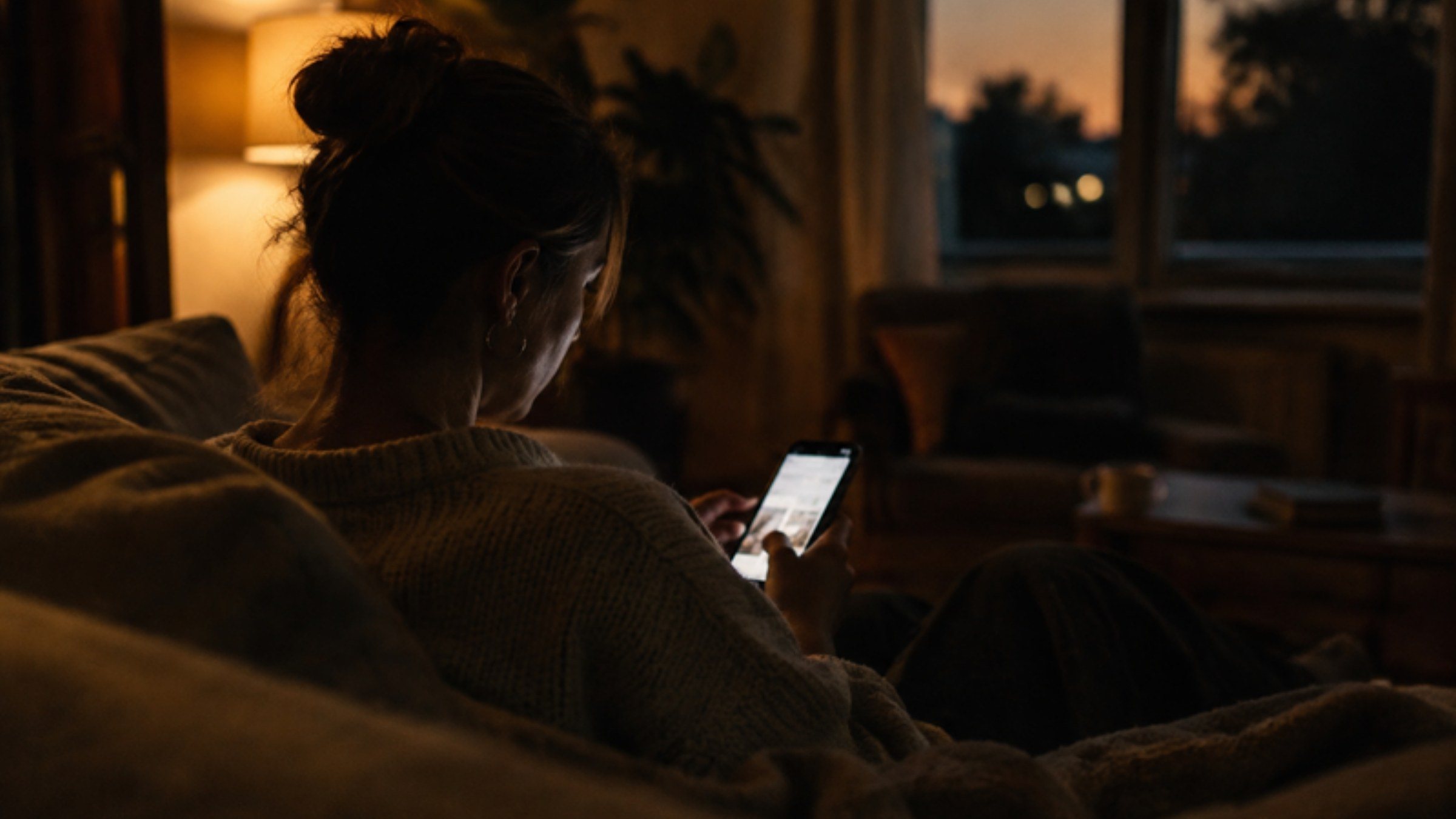
The human ground truth of what people see online.
Ground truth data on the ads people meet on their own phones and computers: what was on screen, where, for how long, and whether it was looked at. Measured on a paid, consenting panel in the Nordics. The UK is next.
Not modelled. Not inferred. Not self-reported.
- ground truth impressions a year, at today's pace
- 15 million+
- Sweden, Norway, Denmark and Finland
- 4 markets
- the next market, after the Nordics
- The UK
- the world leader in eye tracking; the measurement runs on its technology
- Tobii





Attention is one layer. The ground truth is all five.
Every ad on a panelist’s screen is measured five layers deep. An attention score keeps only the top one, and models it. ATTEX licenses the record.
Attention
Was it looked at, and for how long?
Where the eyes rest: fixations and attention time.
- On screen
- 3.4 s
- Looked at
- 0.4 s
- Attention rate, all mobile
- 38%
What you build on it is yours: plan and buy against it, or train, validate and audit your own models of advertising performance on measured data.
Where the eyes actually rest.
The front camera, processed on the phone. No face images stored or sent.
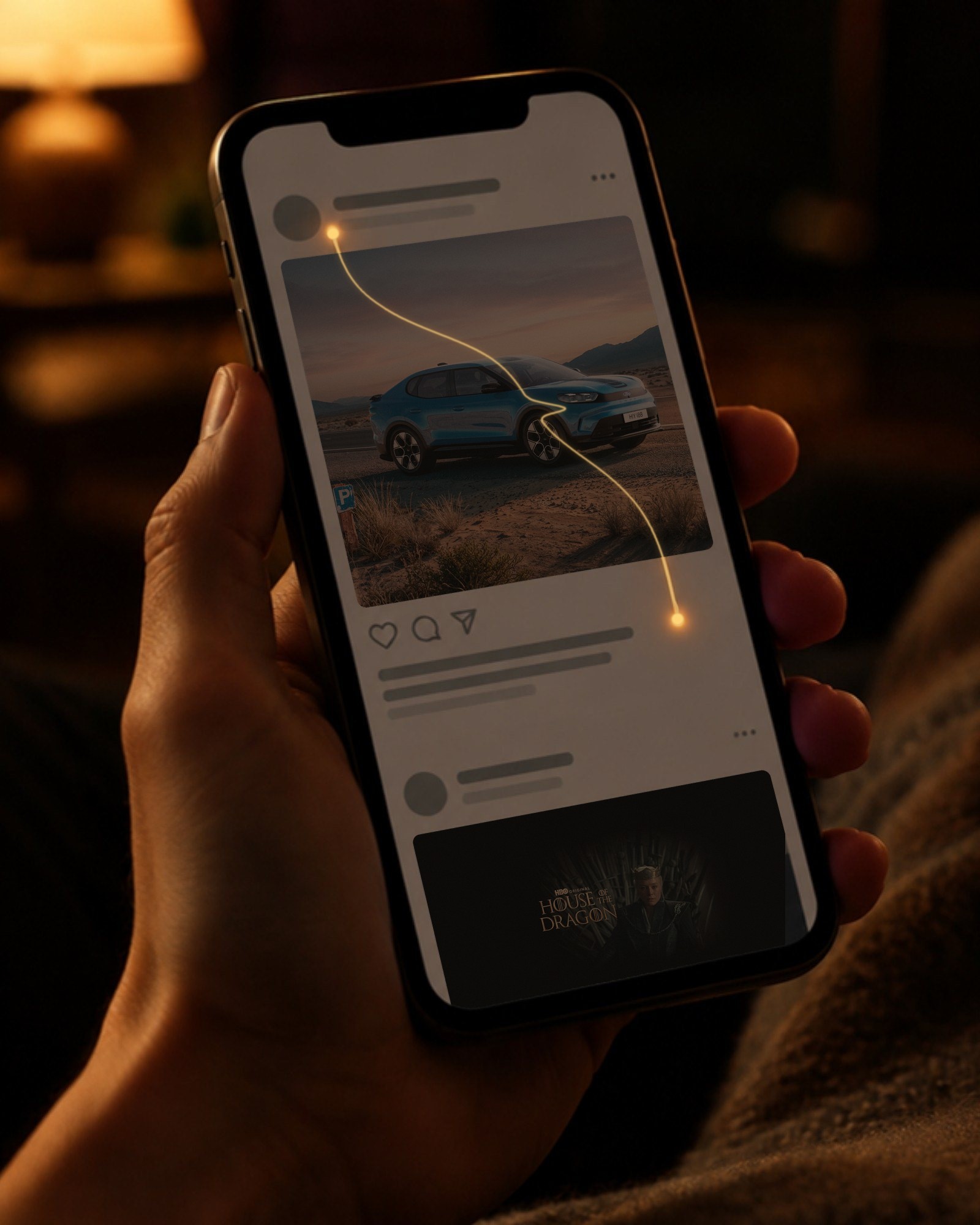
- Header0.0 s
- Photo0.0 s
- Headline0.0 s
- Learn more0.0 s
- Caption0.0 s
Your pointer stands in for the eyes. In the panel it is the front camera, on the panelist's own phone.
More than a third of our waking lives happens on a screen. ATTEX records the ads we meet there, and which of them hold our attention.
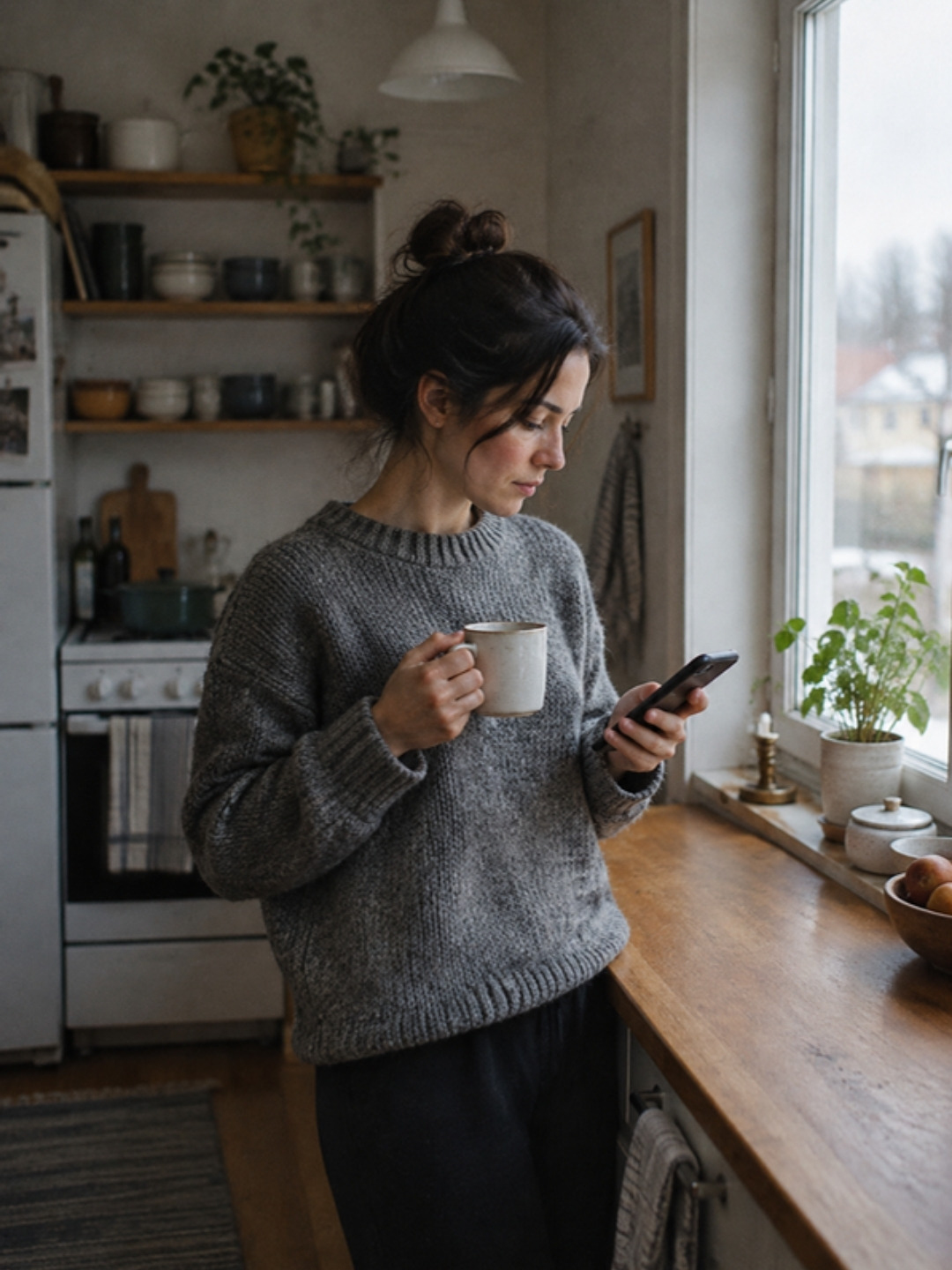 07.10 · Breakfast
The day starts with the news.
More of the ads are on the open web than at any other time, and news sites take their largest share of the day.
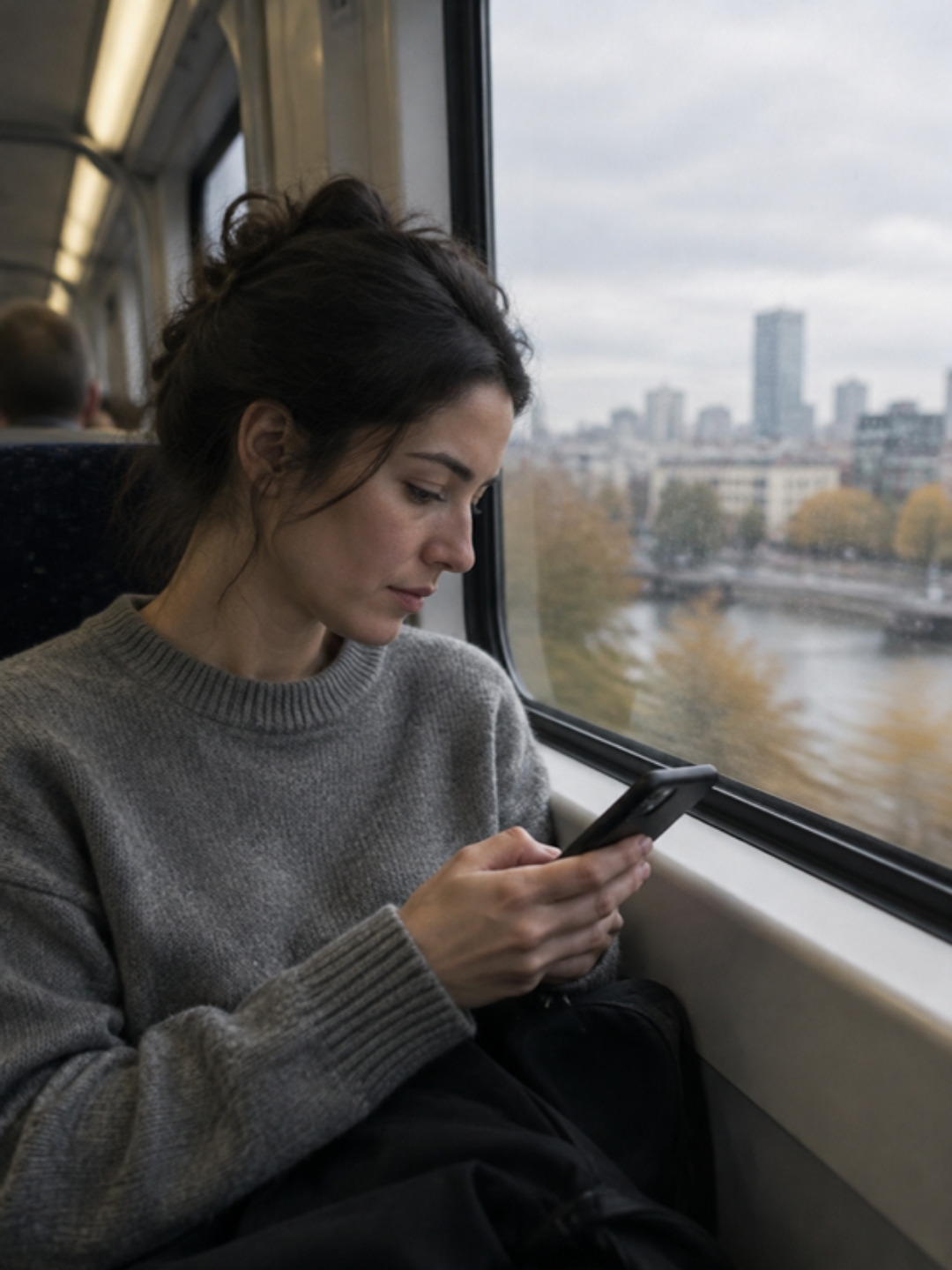 09.05 · Morning
Then the feeds fill up.
Feed ads go from under a third of all ads at breakfast to over a third. Facebook alone carries three in ten, all day.
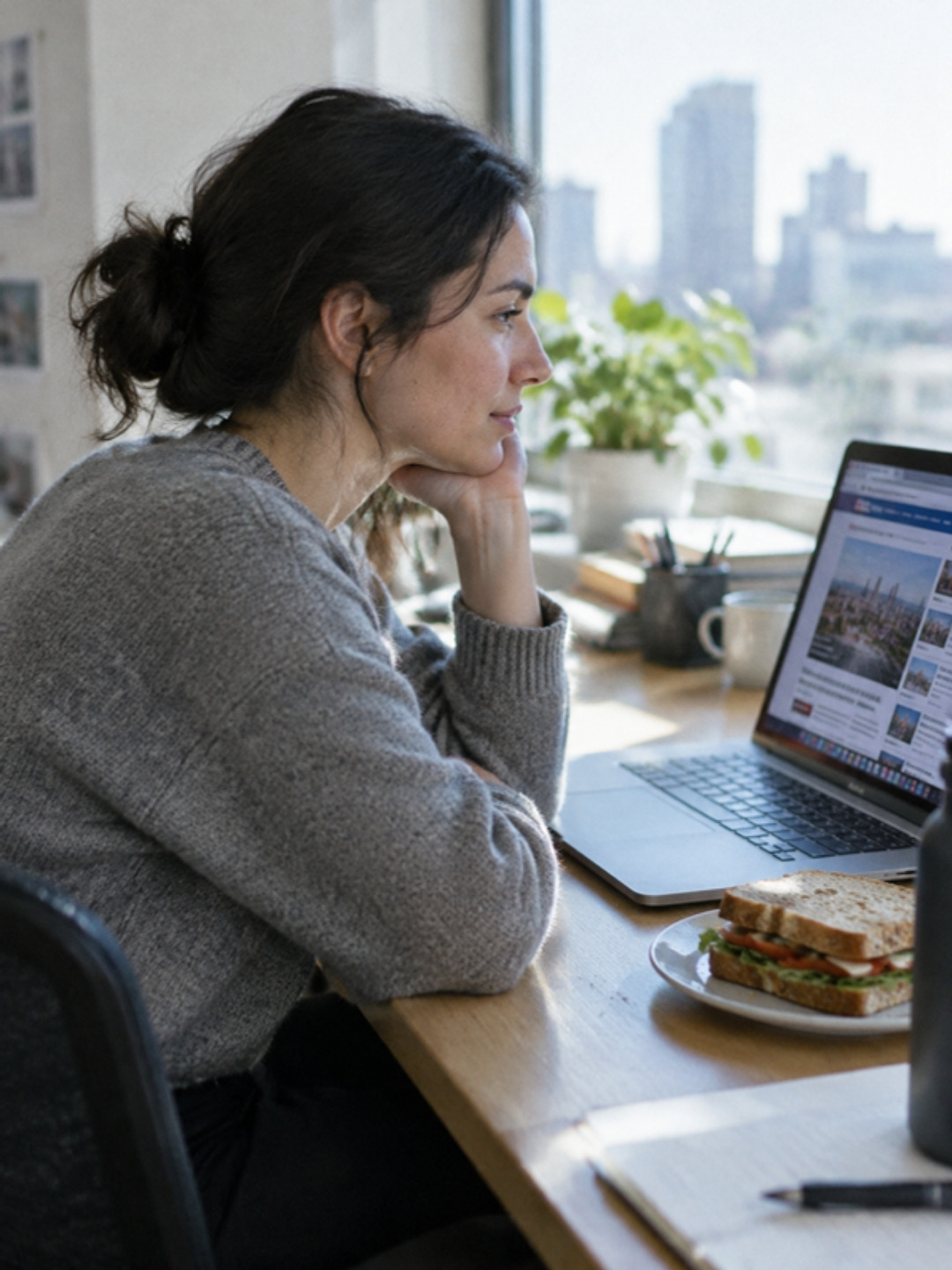 11.45 · Lunch
Snapchat has its hours.
Its share of the ads is at its largest through the morning and over lunch, and at its lowest by the evening.
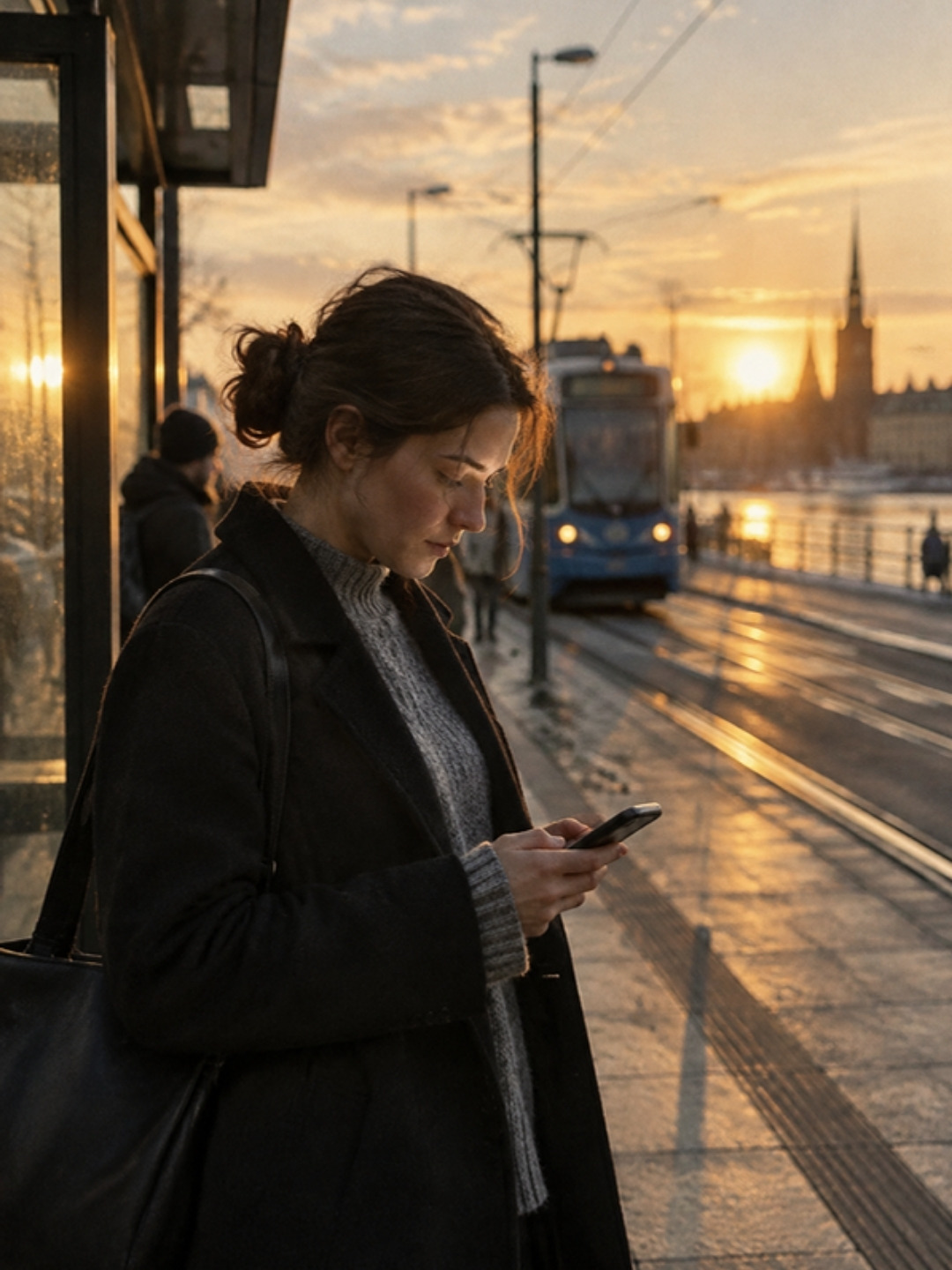 16.40 · Afternoon
TikTok starts to climb.
By the late afternoon it carries more than twice its breakfast share of the ads.
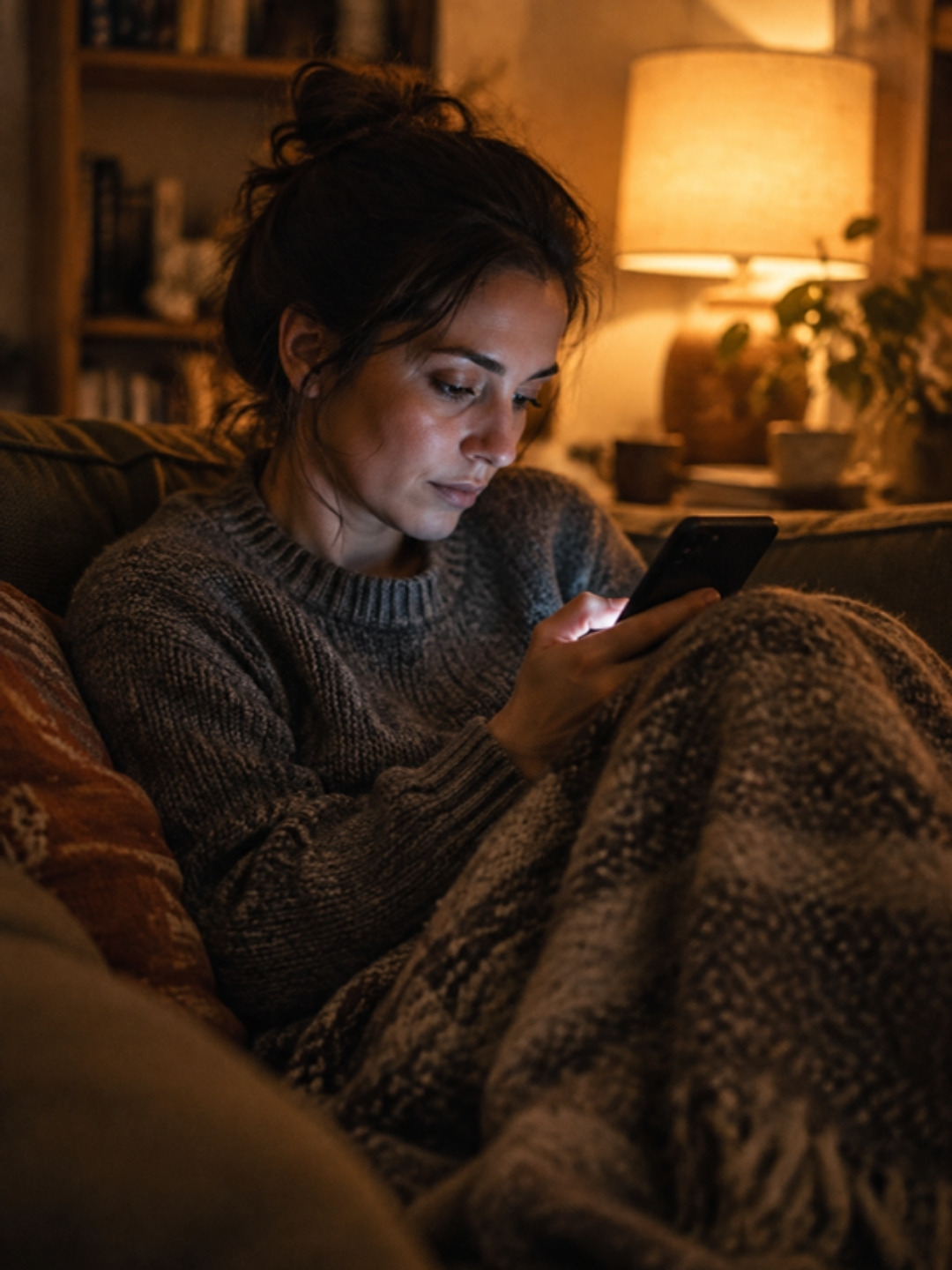 21.30 · Evening
The evening is the busiest of all.
More ads than at any other time of day, and more of them in the feeds. TikTok has nearly three times its breakfast share.
What the hour does not change is how often an ad is looked at: four in ten, from breakfast to bedtime. What changes it is where the ad is met.
The pictures are staged with a model. What is said under them is about the ads the panel met at that time of day, never about one person. Source: ATTEX, measured mobile attention, SE, NO, DK, FI, 13 October to 8 November 2026; windows of two or three hours in Swedish winter time, one hour later before 25 October. Screen hours: DataReportal, Digital 2026, global average daily time online.
A day of ads, as it happens.
Engagement rows (taps, swipes, scrolls) are measured with every ad. Not in the export yet; the other four layers are.
Illustration of the record as it fills. Real fields, example values, no panelist shown.
{
  "app_name": "Instagram",
  "ad_format": "feed",
  "media": "display",
  "first_seen": "2026-10-03T09:42:11.412Z",
  "duration_s": 3.366,
  "ad_area_pct": 48.6,
  "size_group": "tall",
  "eyetracker_enabled": true,
  "fixation_duration_ms": 412,
  "is_fixated": true,
  "demographics": {
    "age": 34,
    "gender": "F",
    "area": "Stockholm",
    "country_code": "SE"
  },
  "brand": "Oddset",
  "industry_path": "Gambling > Sports Betting"
}
In plain words
A 34-year-old woman in Stockholm scrolled past an Oddset display ad in her Instagram feed. It was on screen for 3.4 seconds, and she looked at it for 0.4 of them.
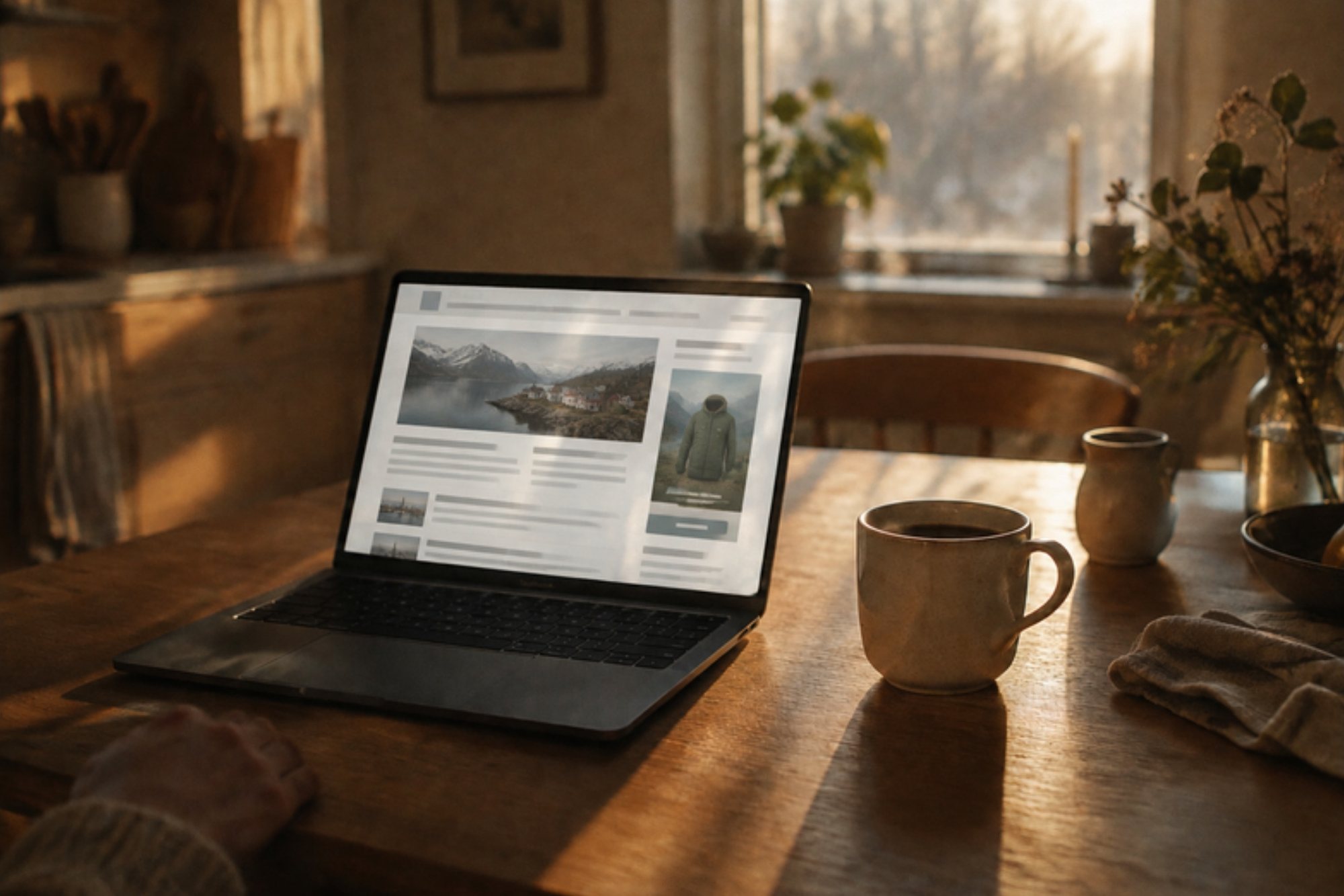
Three things October showed.
TikTok and Instagram ads are looked at most often.
Source: ATTEX panel, October 2026, mobile.
The ad that stays longest is seen least.
Format is much of it: TikTok is 61% full screen, the gaming apps 73% banner.
Source: ATTEX panel, mobile, 13 to 28 October 2026; time on screen is the median per ad.
The evening has the volume, the morning has the attention.
Attention rate 41% at 09 and 11, 40% at 19, 29% at 01, Swedish time to the nearest hour.
Source: ATTEX panel, October 2026, mobile.
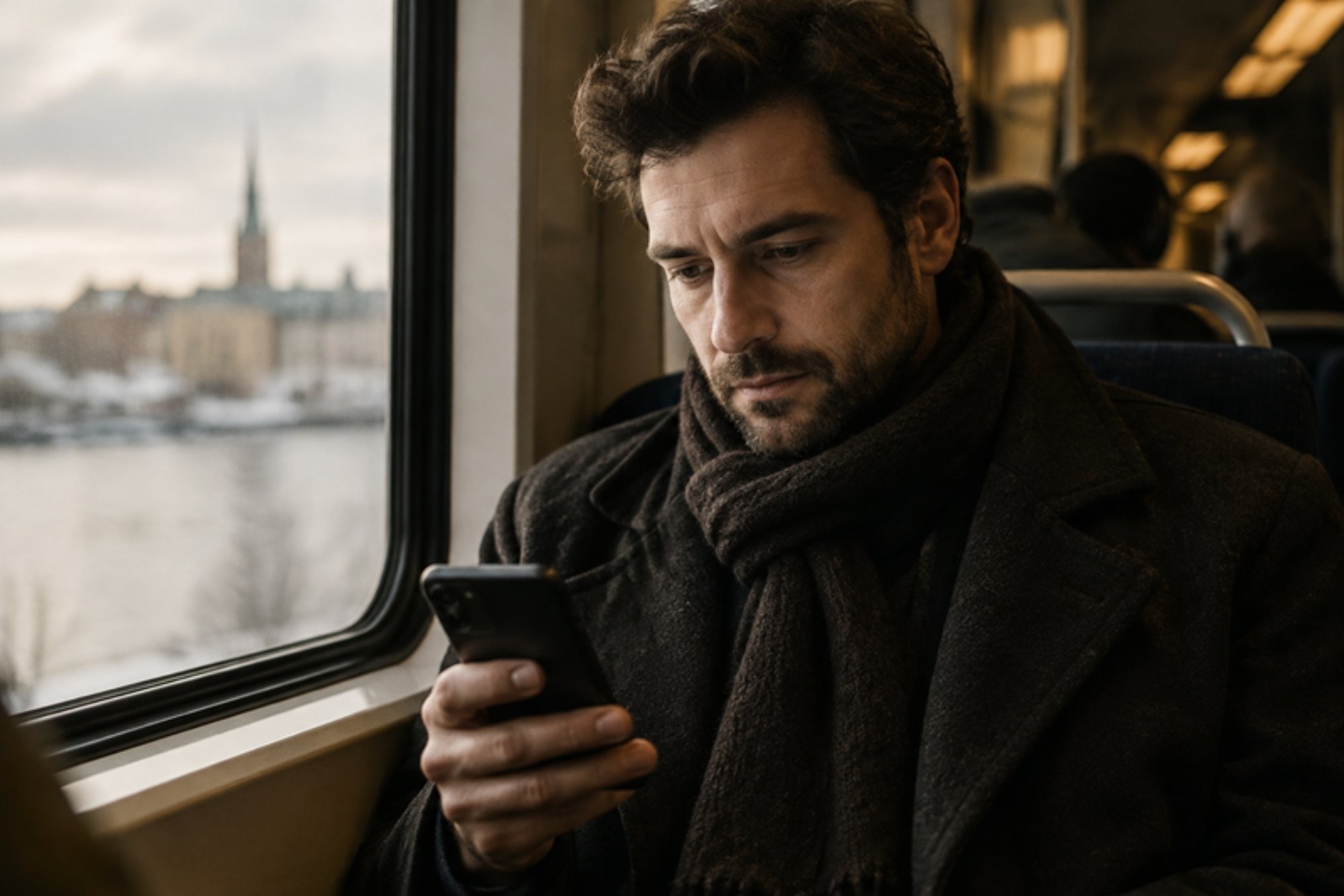
One record. Four ways to use it.
- 01
API
The whole record, one row per ad on screen, in your systems.
Claude, ChatGPT or Copilot. Opening to a waiting list first.
Send a delivery file; back comes attention, explained by placement, industry, audience and season.
High-attention deals in your DSP, from December 2026.
What buying on measured attention did.
- +107%attention rate

- +79%attention time, +28% attention rate


- +42%conversions, −31% CPA

- +23%conversions

- +19%sales

Uplifts as reported by the agencies and the advertisers: a buy optimised on measured attention against a control buy, in A/B tests run by the agencies; the sales figure on campaign outcome. ATTEX measured the attention; the agencies, and for OneCall the advertiser, measured the outcomes.
“We were early in testing the first attention solution a few years ago, and we have seen the effect of this data in our campaign work.”
Schibsted Attention Study 2023· Erik Modig, Stockholm School of Economics ·PDF ↗
Real people on both sides.
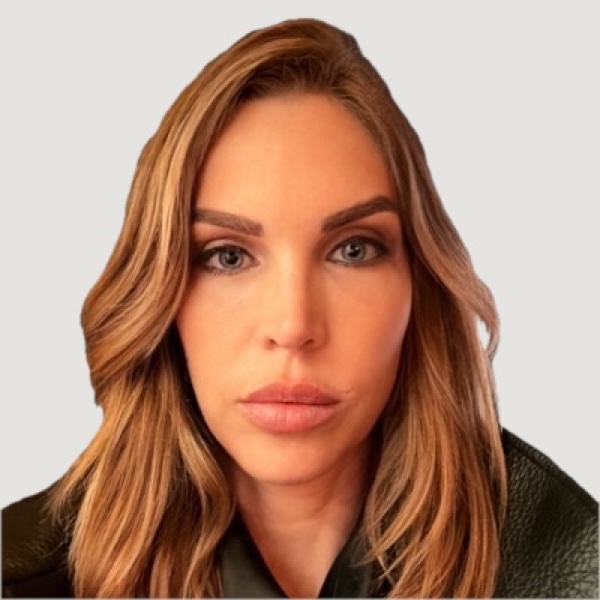 Emelie LöfdahlCo-founder and CEO
Twenty years in adtech. Built ATTEX from prototype to WPP Media.
 Tom DicksonCo-founder and CTO
Kivra founding team, founder of Loupe. Runs the data platform.
 Henrik EskilssonFounding investor
Founding investor, at the founders' side from the start. Founder of Tobii, today CEO of Vaja.

“It is so easy to take part that you don't even think about it.”
Christian · Sweden · drawn August 2026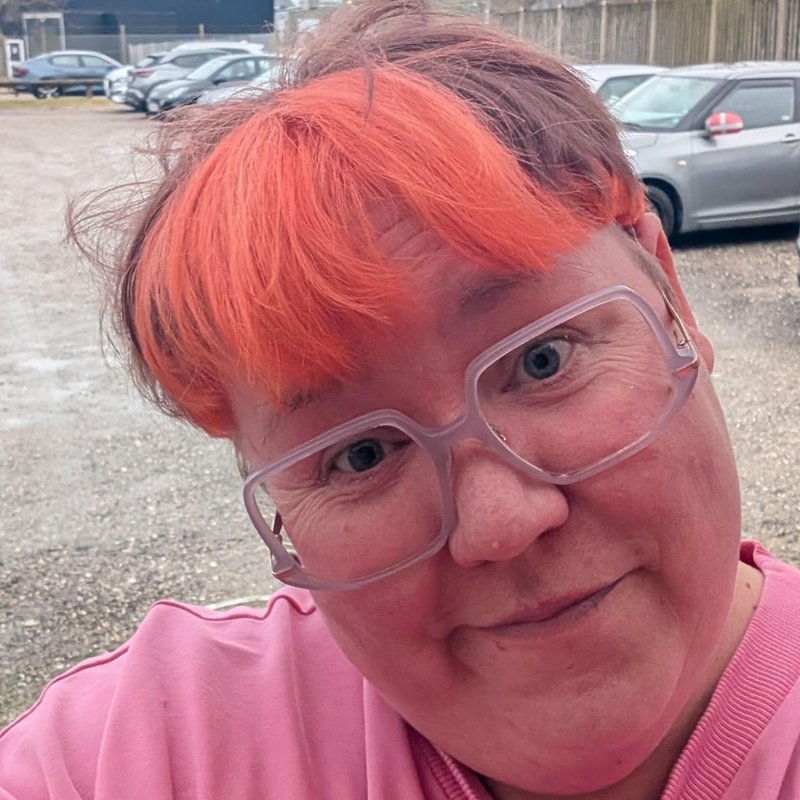
“What a lovely surprise to wake up to. A great feeling to be rewarded for using your phone.”
Camilla · Denmark · drawn October 2026
Panelists are paid in gift cards; drawn participants appear with first names on attexpanel.com.
A couple of hours of the record, in your inbox.
A slice of the mobile export from one market: a couple of hours, anonymised, one row per ad on screen, with the data dictionary. Load it, query it, and see what the record holds before a call.
Sent within one business day. Your address is used for the sample and nothing else.